



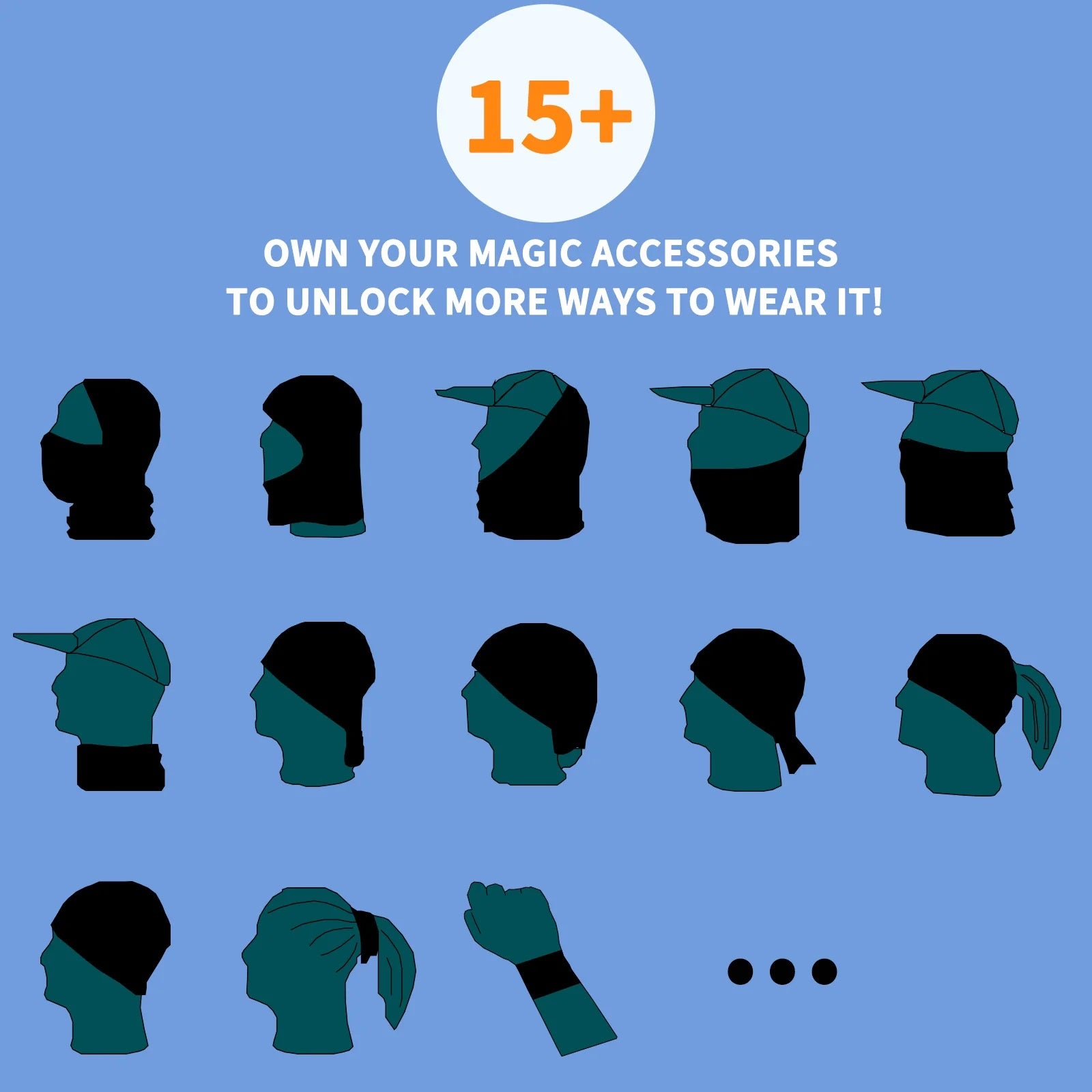
A neck gaiter is the most underrated piece of outdoor gear you can own. One seamless tube of fabric replaces your scarf, headband, face mask, and beanie — weighing almost nothing and taking up zero pack space.
But most people only ever wear it one way. Here are eight practical ways to wear a merino wool neck gaiter, which activities each style suits best, and why the fabric you choose matters more than you’d think.
8 Ways to Wear a Neck Gaiter
1. Neck Warmer (The Classic)
Pull the gaiter over your head and let it sit loosely around your neck. Scrunch it up for more insulation on cold days, or leave it relaxed for a casual look.
Best for: Everyday wear, hiking, skiing between runs, around camp
This is the default position and the one you’ll use most. A merino wool gaiter traps warmth around your neck without the sweat buildup that fleece scarves cause. When the wind picks up, you’re one pull away from full face coverage.

2. Face Mask
From the neck warmer position, pull the top edge up over your nose to just below your eyes. Adjust for a snug but comfortable fit.
Best for: Skiing, cycling, dusty trails, cold wind protection, running in winter
This is where fabric choice makes a real difference. Polyester gaiters trap moisture from your breath and get damp fast. Merino absorbs that moisture into the fibre itself, staying dry and — critically — not fogging your sunglasses or ski goggles nearly as much.
3. Headband
Fold the gaiter in half lengthwise to reduce its width, then pull it over your head and position it across your forehead.
Best for: Running, hiking in warm weather, gym workouts, keeping hair back
The headband keeps sweat out of your eyes while adding a layer of warmth across your ears on cool mornings. Merino’s moisture-wicking properties mean it absorbs sweat rather than letting it drip, and it won’t develop that stale gym smell after a few uses like synthetic headbands do.
4. Hood / Head Cover
Pull the gaiter over your head so the bottom sits under your chin and the top covers your crown. Your face stays open while your head, ears, and neck are protected.
Best for: Cold hiking, wind protection, sun protection on exposed ridges, under a helmet
This replaces a beanie when you need head coverage but want to keep your face free. It’s thinner than a hat, so it fits under ski helmets and climbing helmets without pressure points. For serious cold, layer it under a merino beanie for double insulation.
5. Balaclava
Start in the hood position, then pull the front edge up over your nose. This creates full head and face coverage with only your eyes exposed.
Best for: Extreme cold, skiing in blizzard conditions, winter cycling, ice climbing
The balaclava configuration provides maximum protection. If you regularly need full coverage, consider our purpose-built Merino 250g Balaclava — it’s shaped specifically for this use with a contoured face opening that stays in place during movement.

6. Saharan / Sun Shield
Pull the gaiter over your head and let the back drape down over your neck and ears, with the front sitting on your forehead like a cap. This creates a legionnaire-style sun cover.
Best for: Desert hiking, fishing, trail running in summer, any prolonged sun exposure
Merino wool provides natural UPF 50+ sun protection without chemical treatments. This style shields the back of your neck and ears — the two areas most prone to sunburn on long outdoor days.
7. Wristband / Sweat Catcher
Fold the gaiter over itself several times and wrap it around your wrist.
Best for: Gym workouts, trail running, wiping sweat during high-output activities
A quick-access sweat wipe that stays on your wrist. Merino absorbs moisture without getting slimy, and it won’t smell after a hard session.
8. Bandana
Pull the gaiter over your head and let it sit loosely, covering your hair with the excess fabric hanging at the back or side.
Best for: Casual outdoor style, keeping hair clean on dusty trails, camp cooking
A relaxed, functional look that keeps dust and debris out of your hair while adding a bit of style.
Follow Merino Protect for extra gifts:


Why the Fabric Matters: Merino vs Polyester vs Fleece Gaiters
Most cheap gaiters are polyester. They work fine for 30 minutes. For anything longer, the fabric makes a significant difference.
| Feature | Merino Wool (250g) | Polyester | Fleece |
|---|---|---|---|
| Breathability | Excellent — no moisture buildup against face | Moderate — traps breath moisture | Poor — overheats quickly |
| Goggle/glasses fog | Minimal — absorbs moisture vapour | High — moisture sits on surface | High — warm air escapes upward |
| Odour after use | Naturally resistant — wear for days | Smells within hours | Smells within hours |
| Warmth when damp | Retains ~80% insulation | Drops to ~60% | Drops significantly |
| Temperature range | Works from -20°C to 20°C | Best below 5°C only | Best below 0°C only |
| Weight | Light — 250g fabric, minimal bulk | Very light | Moderate — bulkier |
| UV protection | Natural UPF 50+ | Low unless treated | None |
| Skin comfort | Soft 18.5μ fibres — no itch | Can irritate around mouth/nose | Soft but overheats |
The honest take: Polyester gaiters are cheaper. If you need a single-use disposable option for a dusty day, they’ll do. But if you use a gaiter regularly for skiing, hiking, cycling, or everyday cold weather, a merino gaiter performs better in every metric that matters — especially breathability and odour control.
In an independent, unsponsored 30-day wear test comparing three premium merino tees, our 170g crew came out freshest on the odour test and held its shape best after 30 consecutive days of wear. That same antimicrobial performance carries across our entire merino range, including neck gaiters. Pilling was the trade-off — 100% merino pills more than nylon blends under repeated friction. That’s worth knowing upfront.
For a detailed comparison of full-face coverage options, see our balaclava vs neck gaiter guide.
Which Gaiter Style for Which Activity
Knowing all eight ways is useful, but here’s a quick reference for the most common activities:
Skiing and snowboarding: Start as a neck warmer on the lift, pull up to face mask for the descent. The transition takes one second. For blizzard days, go full balaclava or use the dedicated Merino 250g Balaclava. Pair with a merino beanie under your helmet for complete warmth. See our skiing base layer guide for the full kit.
Hiking and trekking: Neck warmer for cool mornings, headband for warm climbs, sun shield for exposed ridges. A single merino gaiter replaces three separate accessories and saves pack space. For cold-weather hiking setups, see what to wear hiking in winter.
Running and cycling: Face mask in winter to warm inhaled air, headband in summer to manage sweat. Merino’s breathability means you’re not suffocating through fabric at high heart rates. The moisture absorption also means less fogging on cycling glasses.
Everyday cold weather: Neck warmer under your jacket collar replaces a scarf with zero bulk. Pull it up over your ears and chin when the wind bites. It folds flat in your pocket when you don’t need it.

How to Care for Your Merino Neck Gaiter
Machine wash on warm with a gentle cycle and wool-safe detergent. Never tumble dry; line dry in shade to protect the fibres. Avoid fabric softener and bleach. Between washes, a simple overnight air-out restores freshness — merino’s antimicrobial properties mean you won’t need to wash it after every use.
For the complete care process, see our merino wool washing guide.
FAQs About Wearing a Neck Gaiter
How do I stop my neck gaiter from fogging my glasses or ski goggles?
Use a merino wool gaiter rather than polyester. Merino absorbs moisture vapour from your breath into the fibre itself, significantly reducing the fog effect. Position the top edge high on your nose and press it firmly against your face, then seat your glasses or goggles over the fabric to create a seal. This combination of merino’s moisture absorption plus a proper seal eliminates most fogging.
Can I wear a neck gaiter all year round?
Yes — this is one of merino’s biggest advantages. At 250g weight, a merino gaiter provides meaningful warmth in winter, but the fibre’s breathability and moisture-wicking properties make it comfortable in summer too. Use it as a sun shield or headband in warm weather (UPF 50+ protection), and as a face mask or neck warmer when temperatures drop. One gaiter covers roughly -20°C to 20°C depending on how you wear it.
What size neck gaiter should I get?
Most adult merino gaiters fit heads from 53–62cm circumference. The fabric should sit snugly enough to stay in place when worn as a face mask, but loose enough to pull on and off easily. If you’re buying for children, the Children’s Merino 150g Neck Gaiter is sized for younger heads and uses a lighter weight fabric.
How often should I wash a merino wool neck gaiter?
Merino’s natural lanolin coating inhibits odour-causing bacteria, so you can wear it for multiple days between washes. Most users find washing every 5–10 wears is sufficient, with overnight air-outs between uses. Machine wash on warm with a gentle cycle when needed.
What’s the difference between a neck gaiter and a balaclava?
A neck gaiter is an open tube that you can configure into different styles (neck warmer, face mask, headband, hood). A balaclava is a purpose-built full-head covering with a face opening. If you only want one piece, the gaiter is more versatile. If you regularly need full-face coverage in extreme cold, a dedicated merino balaclava provides a better fit and stays in place during movement. See our full balaclava vs neck gaiter comparison for the detailed breakdown.
Does Merino Protect offer a warranty on neck gaiters?
Every Merino Protect garment — including neck gaiters, beanies, and balaclavas — comes with a 90-day warranty covering defects in materials and workmanship under normal use. Register your product for free to extend that to a full year — and get 15% off your next order. All products are certified by Woolmark, OEKO-TEX Standard 100 (Class I), and the Responsible Wool Standard (RWS).
One Piece, Eight Uses
A merino wool neck gaiter is the highest-value accessory in any outdoor kit — one lightweight tube that replaces a scarf, beanie, headband, face mask, and sun shield. It weighs almost nothing, packs flat, and goes days without needing a wash.
Across more than 1,500 verified customer reviews, Merino Protect products hold a 4.8 out of 5 rating — and the most common feedback isn’t about warmth or odour. It’s about softness. Customers consistently describe our merino as “too comfortable to be wool,” which tends to catch first-time buyers off guard.
Browse the full merino wool neck gaiter collection to find the right colour for your kit, or grab the Merino 250g Neck Gaiter — our most versatile option for year-round use across every activity.


Laissez un commentaire